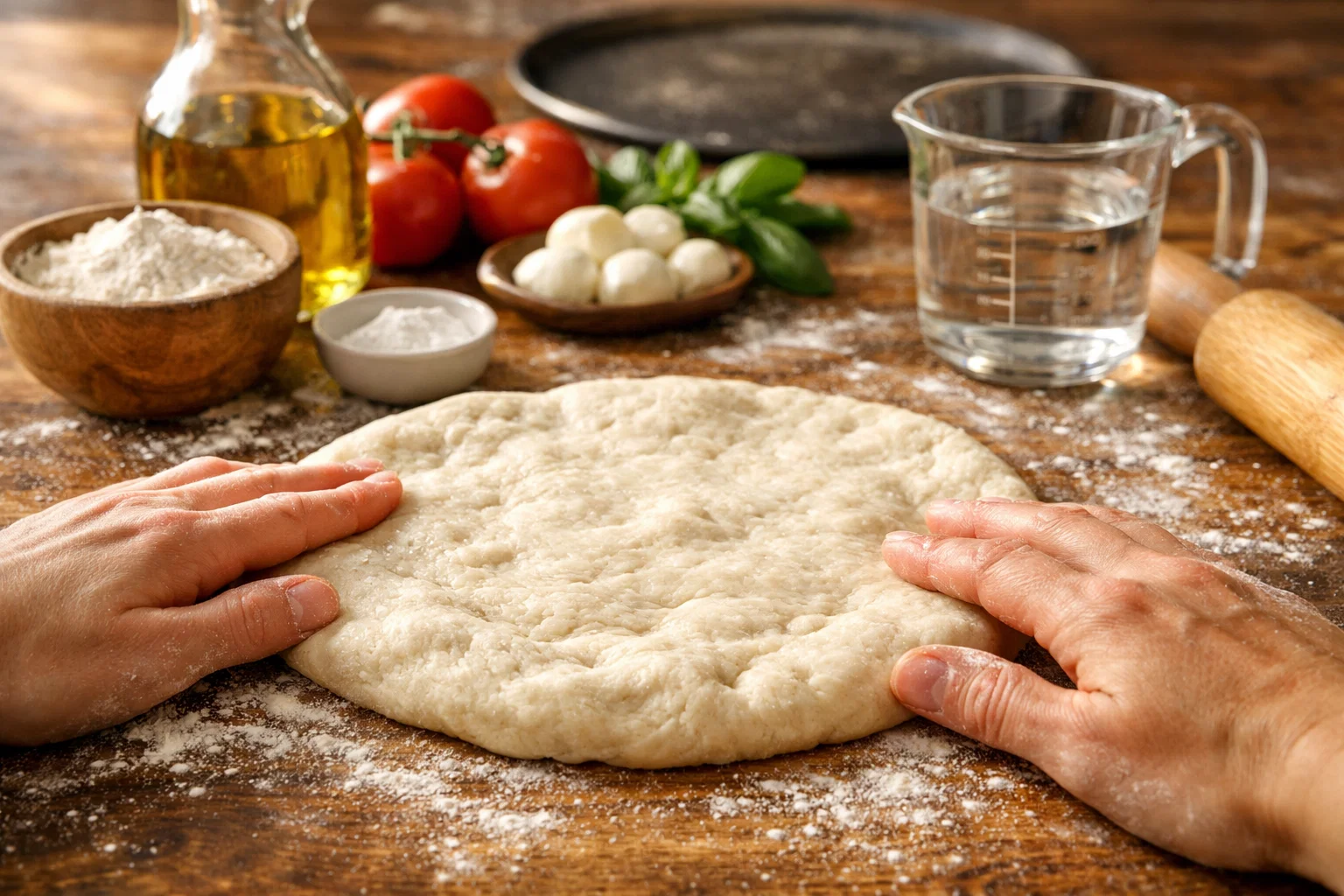
If the idea of cooking makes you roll your eyes, you’re not alone. Cooking can seem more like a chore rather than a pleasure due to complex recipes and long prep times, and materials you never have. Yeast-free pizza dough is a savior because of this. There is no need for complicated methods, no need to wait for the dough to rise, and no concern about destroying yeast. Even if you “hate cooking,” you may enjoy homemade pizza with little effort thanks to this easy way. Mama’s Pizza & Pasta is here to provide you with the best pizza details and how to make cooking more interesting.
Why Yeast-Free Pizza Is Perfect for Beginners
Yeast is necessary for traditional pizza dough, which calls for patience, time, and a little self-assurance in the kitchen. All of that is avoided with yeast-free pizza dough. It employs baking powder in place of yeast to produce a soft, workable dough that is ready in a matter of minutes. This means no rising time and considerably fewer steps, making it great for newbies, busy weeknights, or anyone who wants pizza now, not later. Consistency is an additional benefit. Yeast can be inconsistent, particularly for beginners. On the other hand, baking powder consistently produces dependable, stress-free outcomes.
Everyday Ingredients Found In Your Kitchen
The fact that no-yeast pizza doesn’t require any specific ingredients is one of its best features. This recipe is ideal for last-minute cravings because most kitchens already contain the ingredients, like flour, olive oil, salt, baking powder, and water, to make the base of the dough. It needs no mixers, no specialty flour, and no strange pantry items. This dish is very easy to modify because the ingredient list is so straightforward. You can use whole wheat or all-purpose flour, add some Italian seasoning or garlic powder, or even add some cheese for taste.
Mixing the Dough With Confidence
This recipe becomes very beginner-friendly once all the ingredients are combined. A bowl and a spoon are all you need. After adding all the dry ingredients, add the wet ingredients and mix them thoroughly until a soft dough forms. Add a bit of extra flour if the dough is sticky and a splash of water if the dough is dry. The dough doesn’t need to be vigorously kneaded. It only takes a minute or so of gentle kneading to bring everything together. Keep it simple because overworking the dough might make it tough. It’s totally acceptable if it appears a little rough.
An Easy Way To Shape The Dough
Forget rolling pins and flawless circles. After the dough has come together, spread a little bit of flour on the surface and flatten it out. To create a circular or rectangular shape, gently push outward from the center. You might choose a little thicker pizza for a softer taste or a thinner one for a crispier one. Allow the dough to rest for two minutes if it is difficult to stretch. Even for beginners, this relaxes the gluten and facilitates shape.
Enjoy Baking Without Stress
Preheat your oven to the maximum heat and make sure that it’s around 425 and 450°F (220 and 230°C). Transfer your dough to a pizza pan or baking paper and top it with your sauce and favorite toppings, and bake until the bottom is firm and the sides are brown. Usually, this takes 12 to 15 minutes. Because there’s no yeast, the dough won’t inflate very much, but it will cook evenly and hold toppings well. The end product is a thin, crispy crust with a pleasing, fresh flavor.
Is This Dough as Good as Traditional Pizza?
The texture of yeast-free pizza dough differs slightly from that of typical dough, but in a positive way. It has a sharp outside, a soft interior, and a neutral color that lets the toppings take center stage. While it won’t have the deep fermented flavor of yeast dough, it more than makes up for it with speed, simplicity, and reliability. For folks who dislike cooking, that trade-off is more than worth it.
Common Mistakes and How to Avoid Them
Adding too much flour is the most frequent error. When the dough seems sticky, it’s appealing, but using too much flour results in a dry crust. When the dough becomes manageable, stop adding flour. Overbaking is another problem. Watch out for a firm crust because this dough cooks rapidly. If you dislike cooking, using parchment paper can also help reduce sticking and make cleanup easier.
Final Thoughts
Do you long for hassle-free homemade pizza? You’re covered by Mama’s Pizza & Pasta. Pizza night is made easy and stress-free with our simple, yeast-free dough recipe. You can make a delicious, adaptable, and gratifying crust with just a few basic ingredients. This dish gives you an excuse to enter the kitchen and wow everyone, even if cooking isn’t your thing. Check out Mama’s Pizza & Pasta today to see how great handmade pizza can be.
Frequently Asked Questions
Can I make this dough with whole wheat flour?
Indeed! Whole wheat flour works nicely, though the dough may be slightly heavier than with all-purpose flour.
Does shaping the dough require a rolling pin?
No, your hands function flawlessly. To get the required form, press the dough outward from the center.
How long does the pizza take to bake?
The edges should be golden after 12 to 15 minutes at 425 to 450°F (220 to 230°C).
Is this dough freezer-safe?
Indeed! Freeze it for up to two months after carefully wrapping it in plastic wrap. Thaw in the fridge before baking.
Will it taste like classic yeast pizza dough?
Although it won’t have the same puffiness or fermented flavor, it’s crisp, tender, and easy to make.